Touan
Touan: Crafting Dreams in Clay - Where Tradition Meets Innovation in Kyoto's Artistry
Kyoto's Artistic Soul, Touan: The Deep History of Pottery and Challenges for the Future
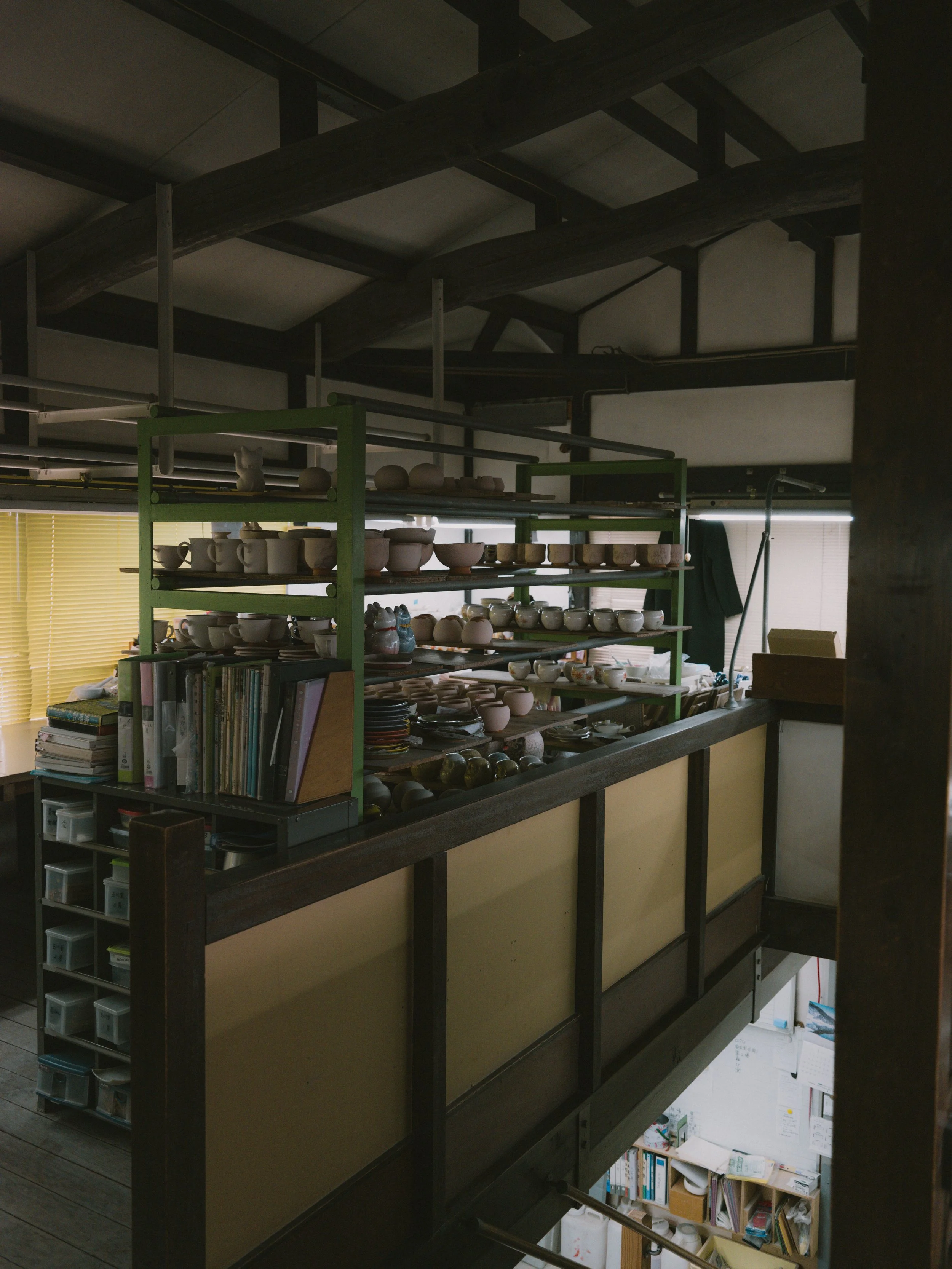
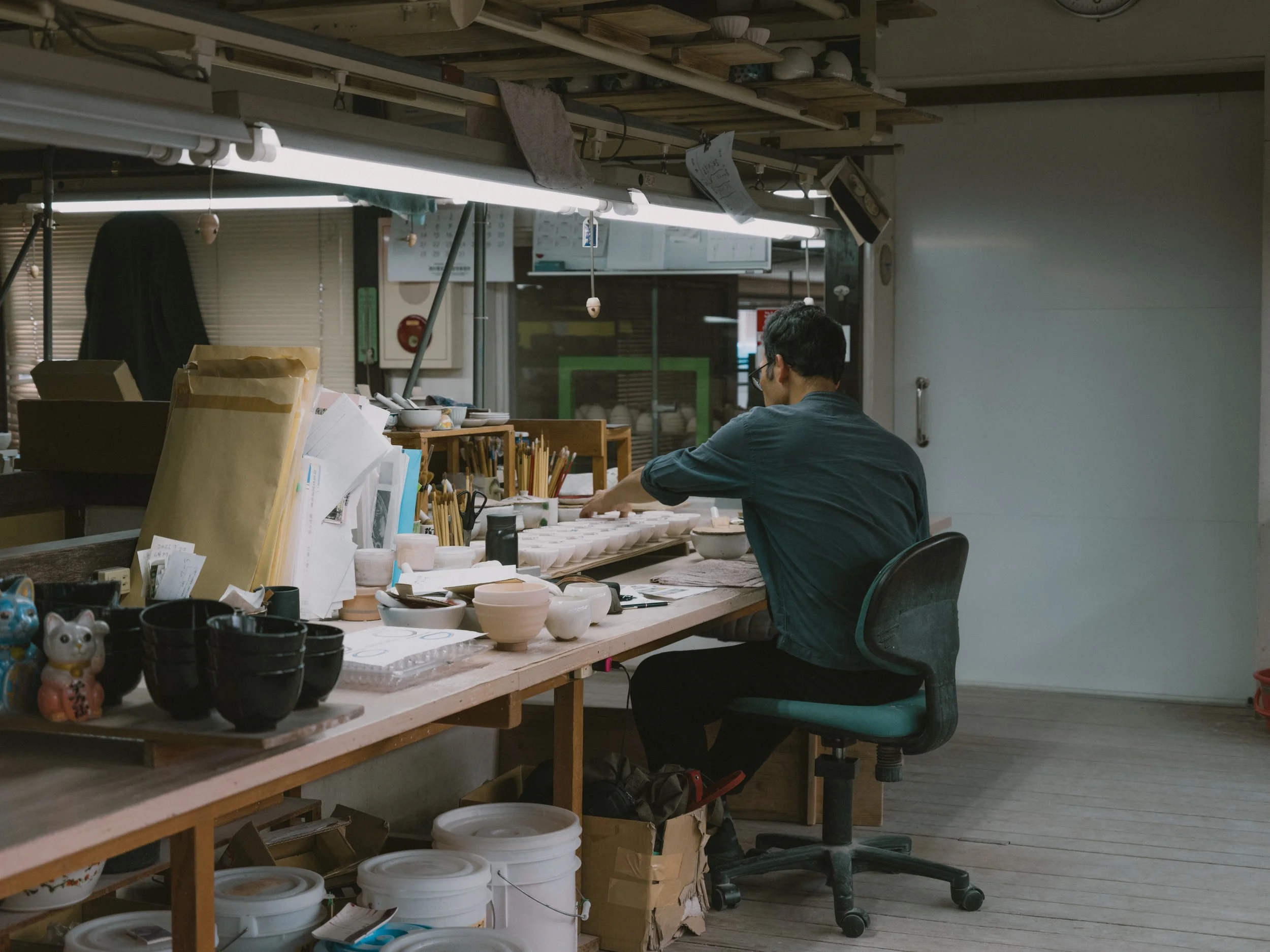
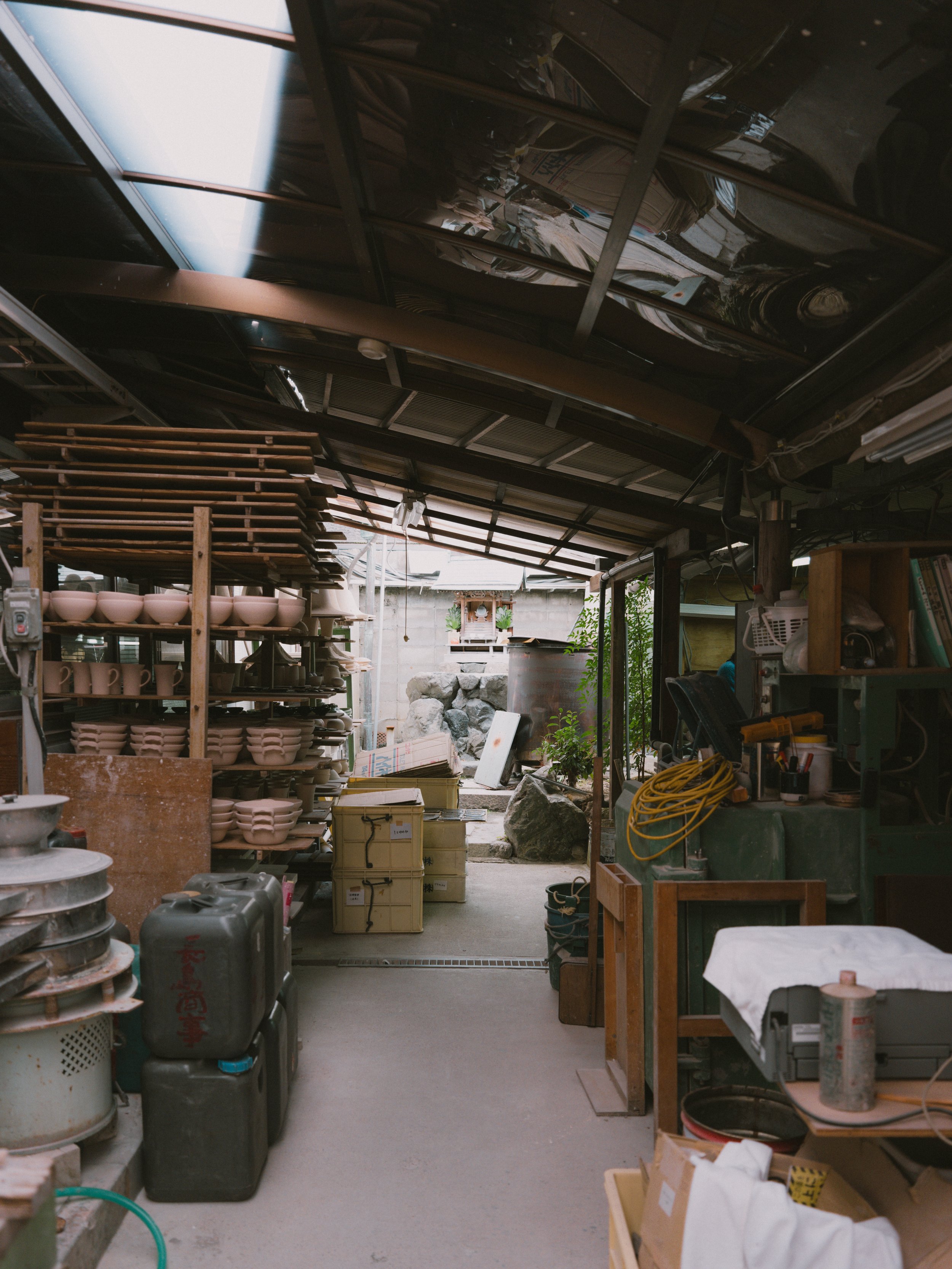
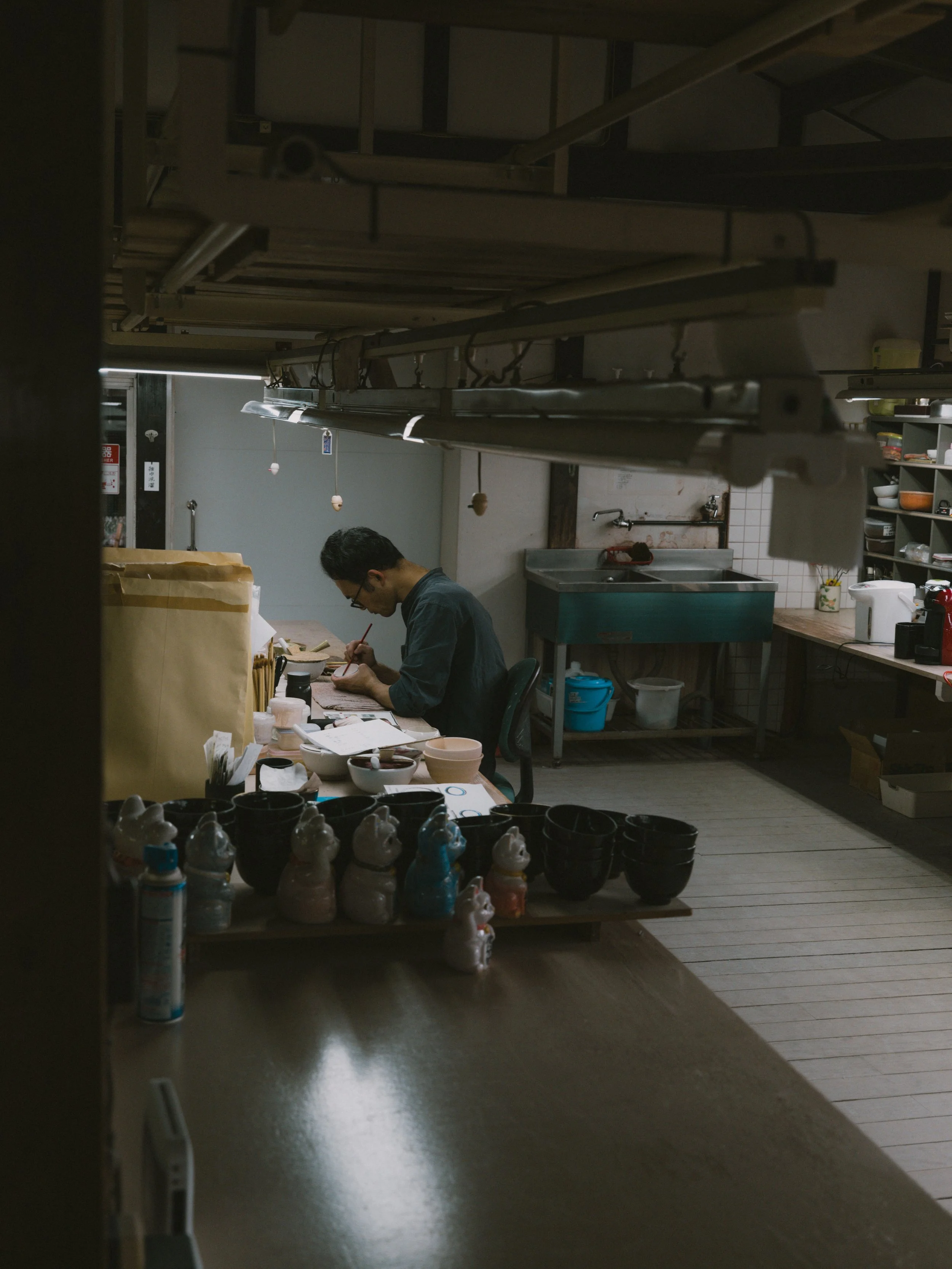
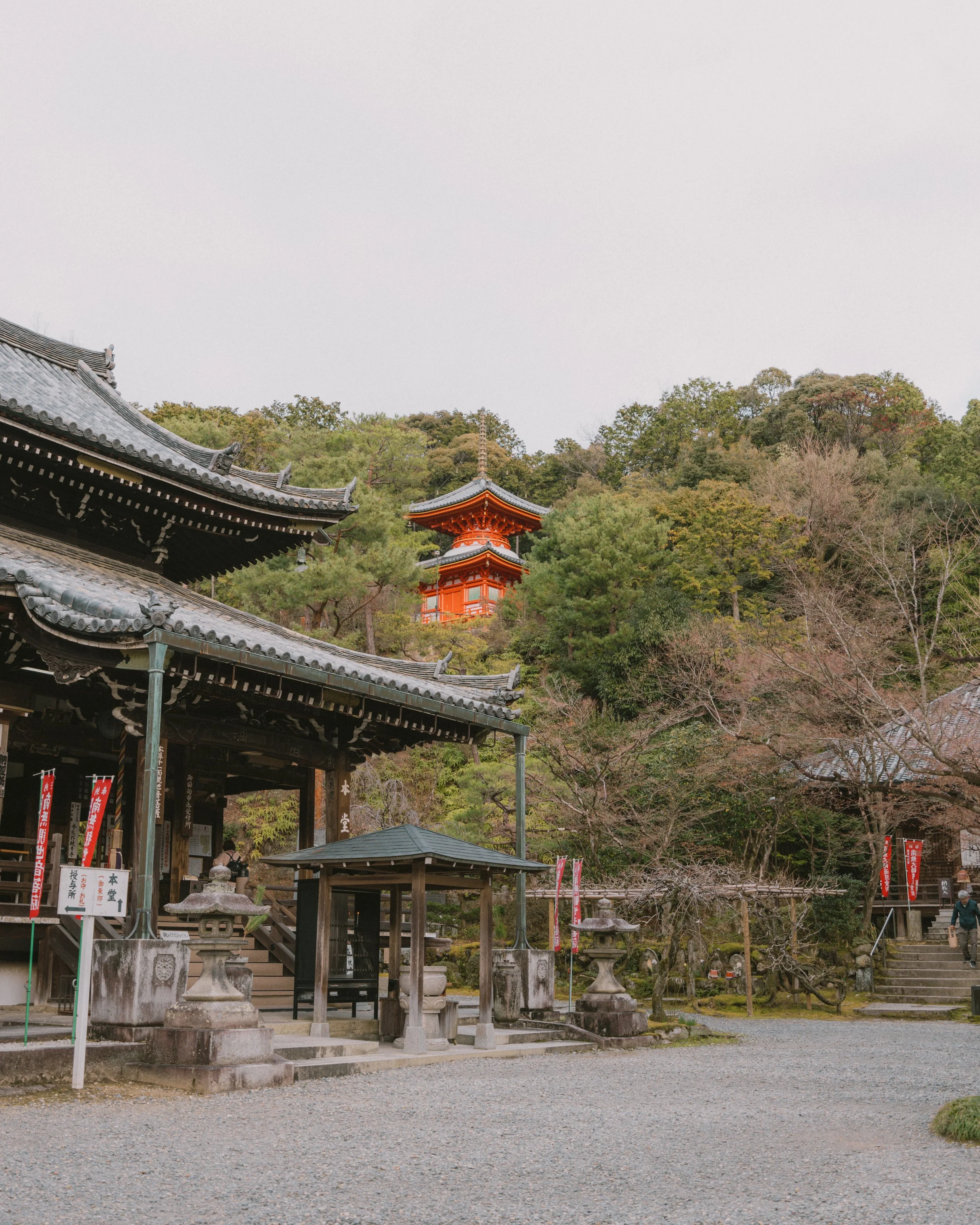
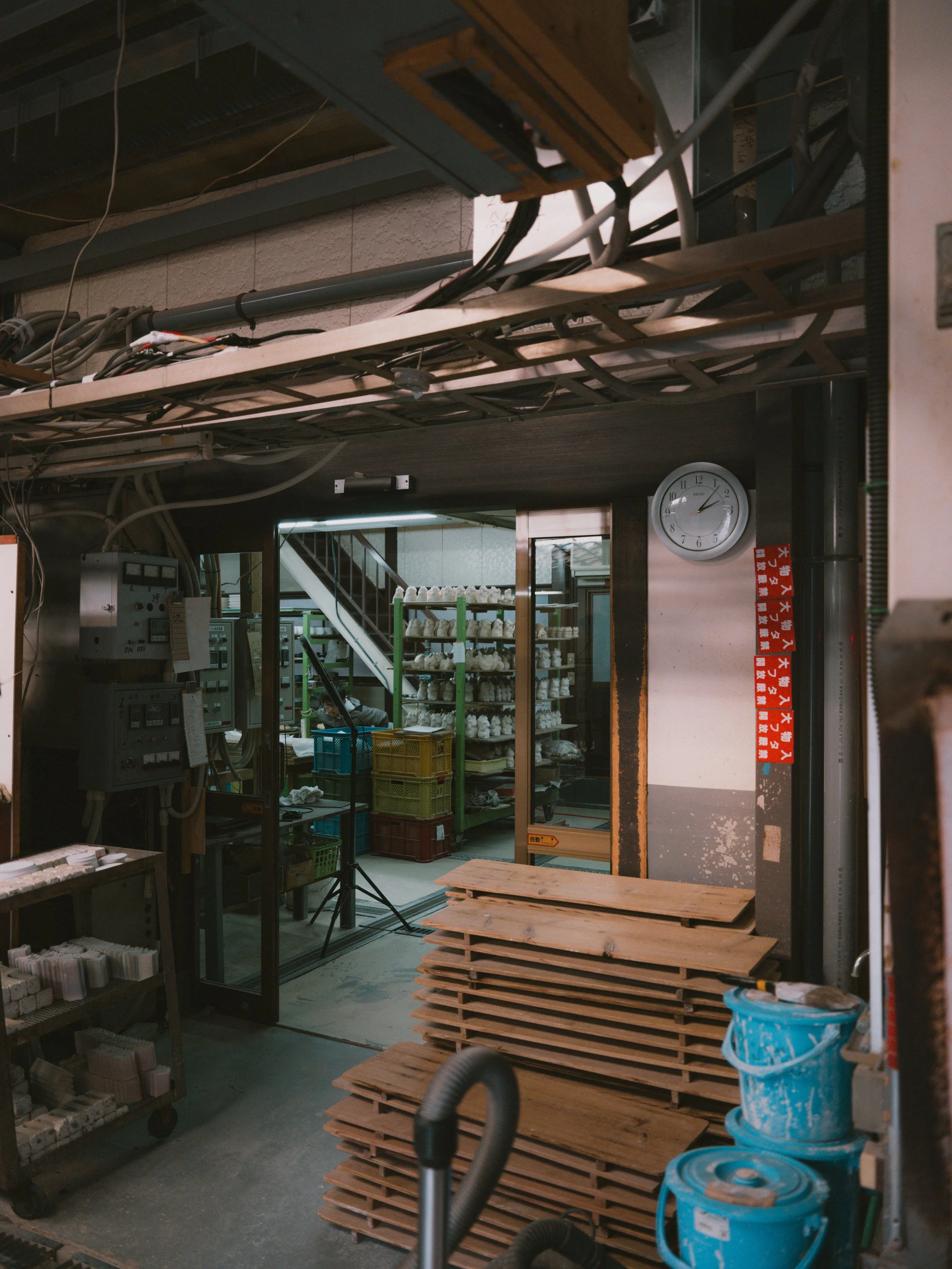
Founded in the 11th year of the Taisho era at the East Mountain Sennyu-ji Temple in Kyoto, Touan is a venerable kiln with a rich history. I had the opportunity to witness the profound artistry crafted by the hands of its artisans at the main workshop.
Roots and Traditions
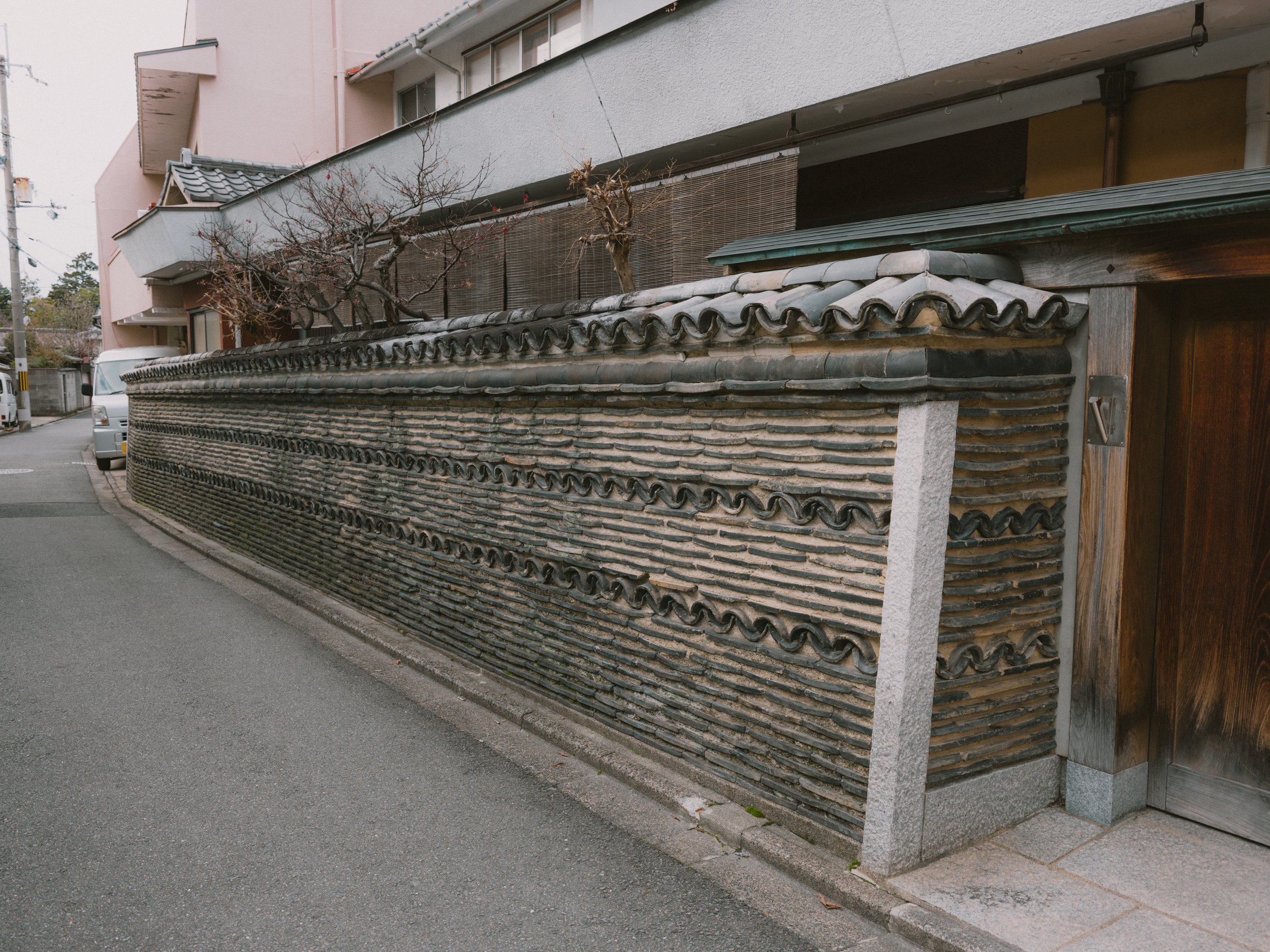
The first generation, Toshio Dobuchi, gained fame as a traditional Kyoto tile craftsman, and his creations adorn the Japan Pavilion of the Tokyo National Museum, established in the 5th year of the Meiji era. The Dobuchi family continued its artistic legacy with the second generation, the renowned clay sculptor Chikayoshi Dobuchi.
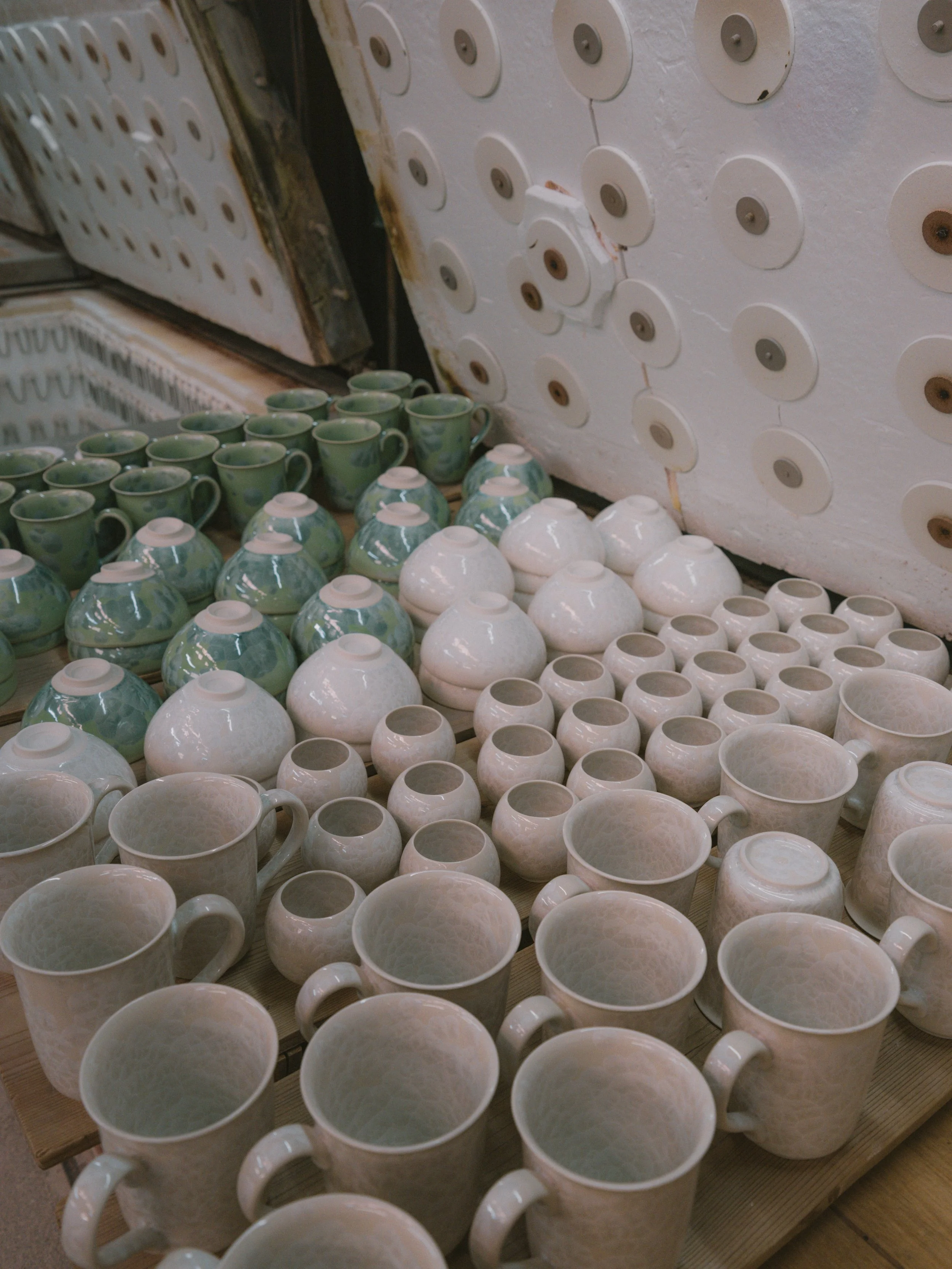
The third generation, Yoshihide Dobuchi, studied sculpture in Germany and devoted years to glaze research. Touan's signature pottery, known for vibrant colors and unique strength, is a testament to his dedication. The fourth generation, Yoshiaki Dobuchi, has introduced innovations like the "Hana Yuijirushi" (flower crystal), showcasing a variety of crystal formations.
The Fusion of Tradition and Innovation
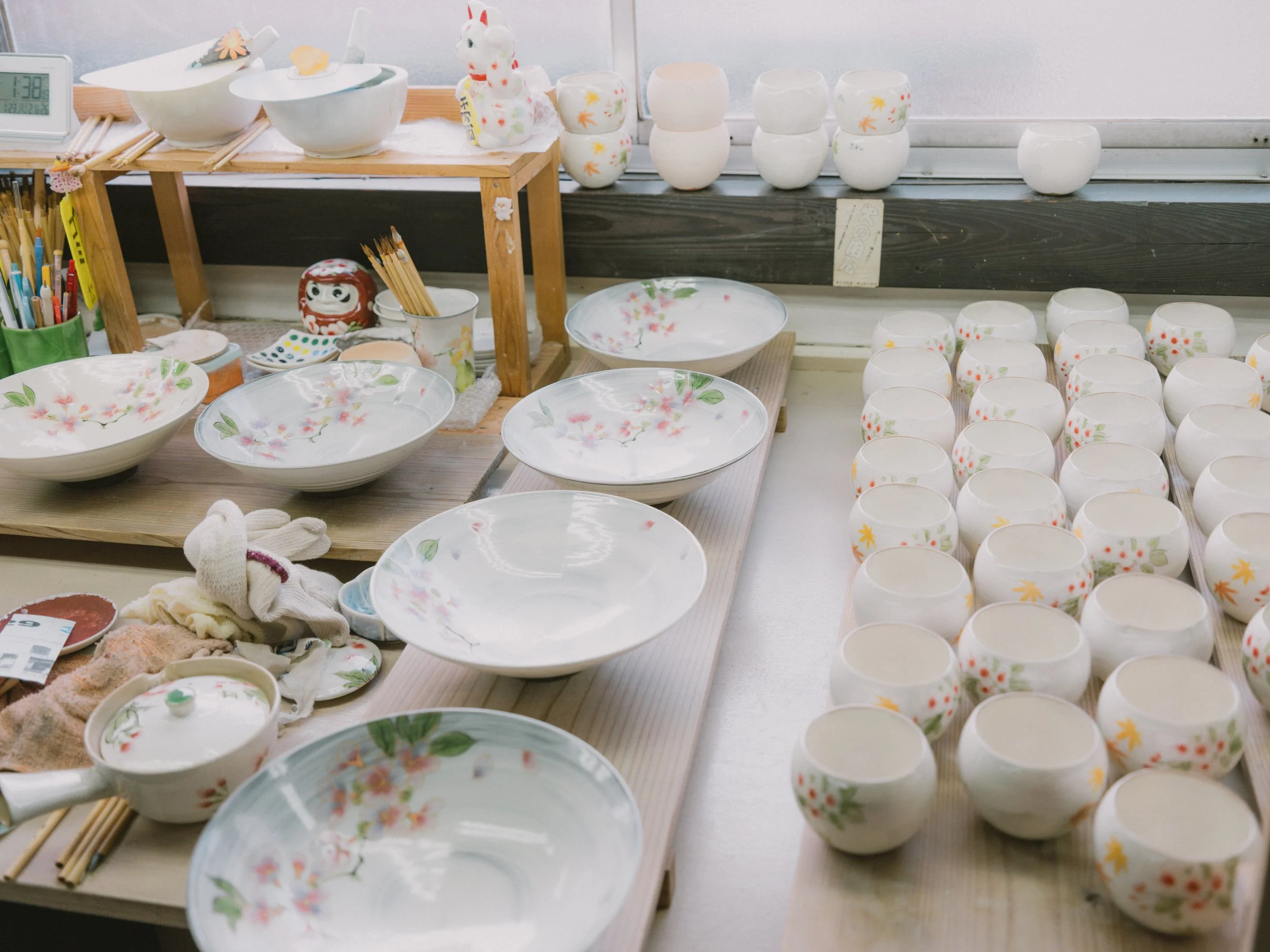
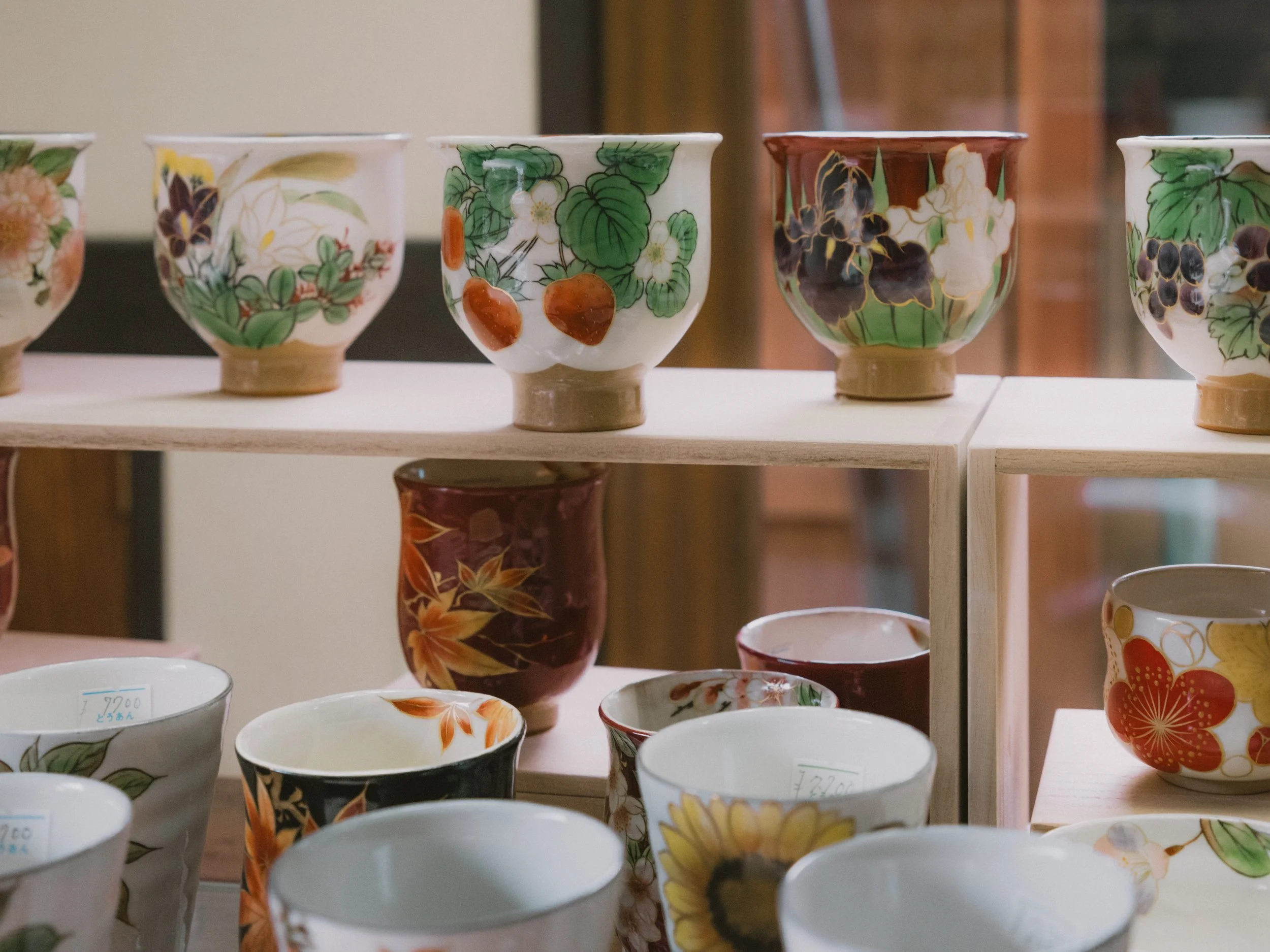
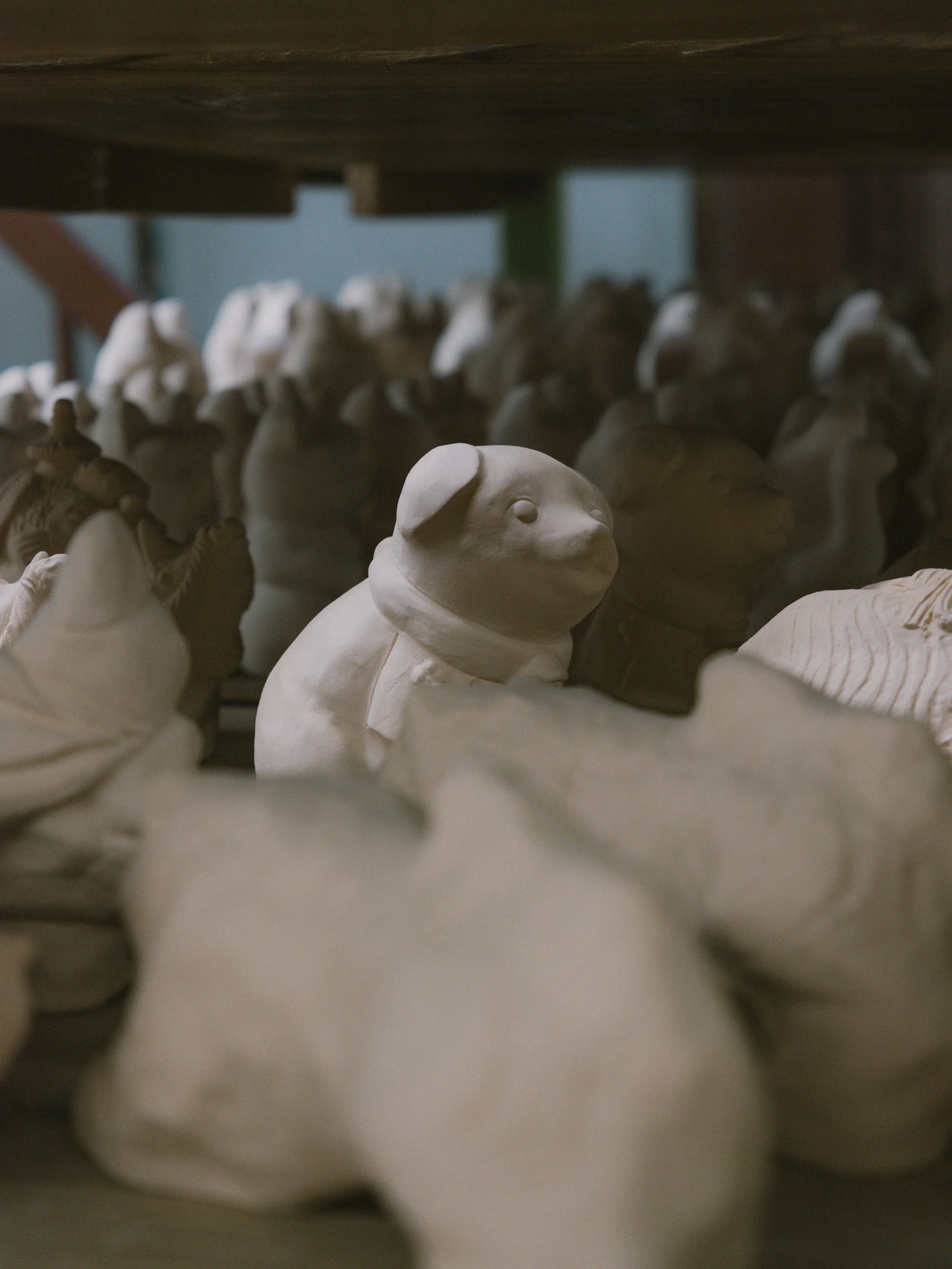
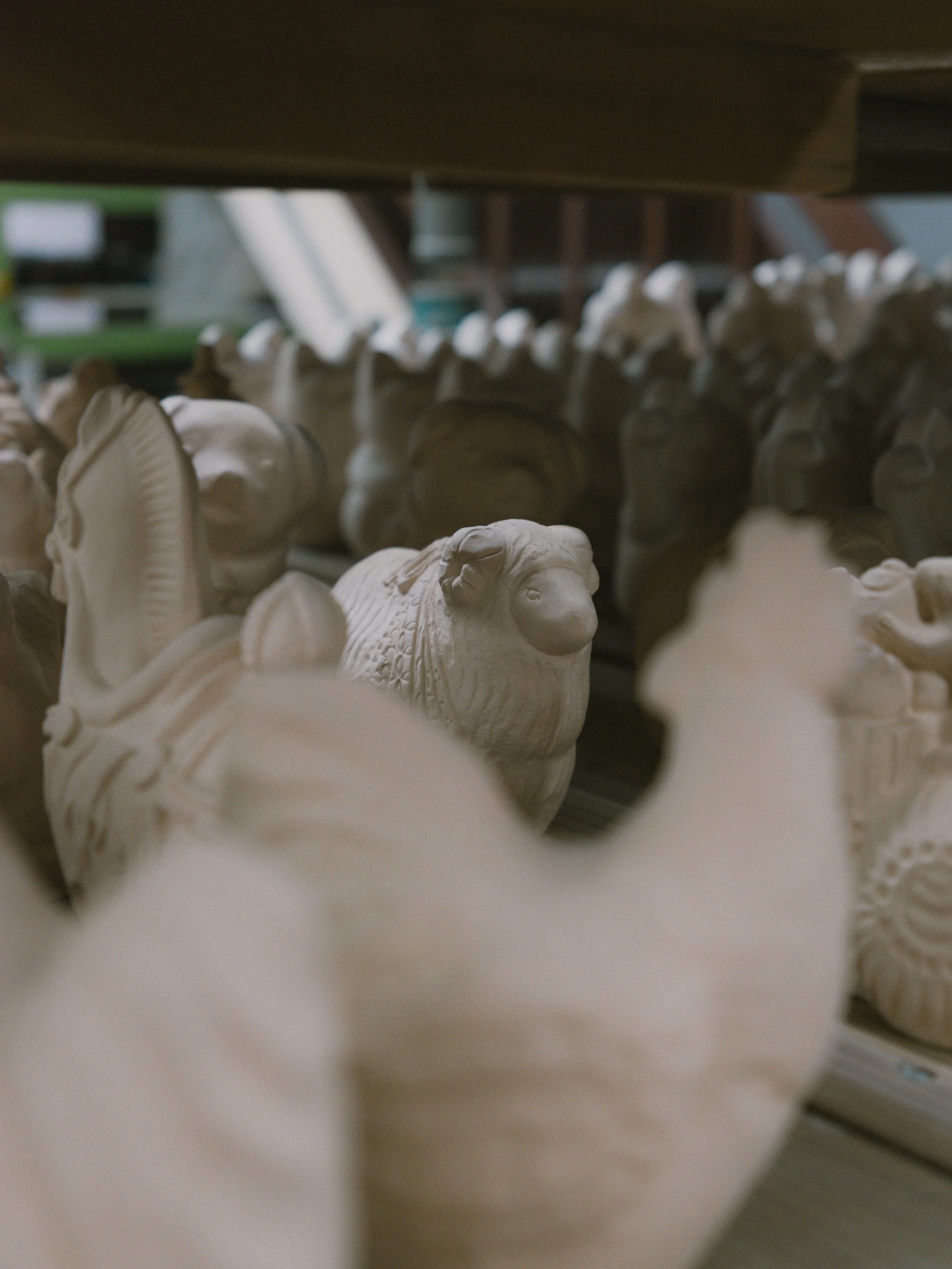
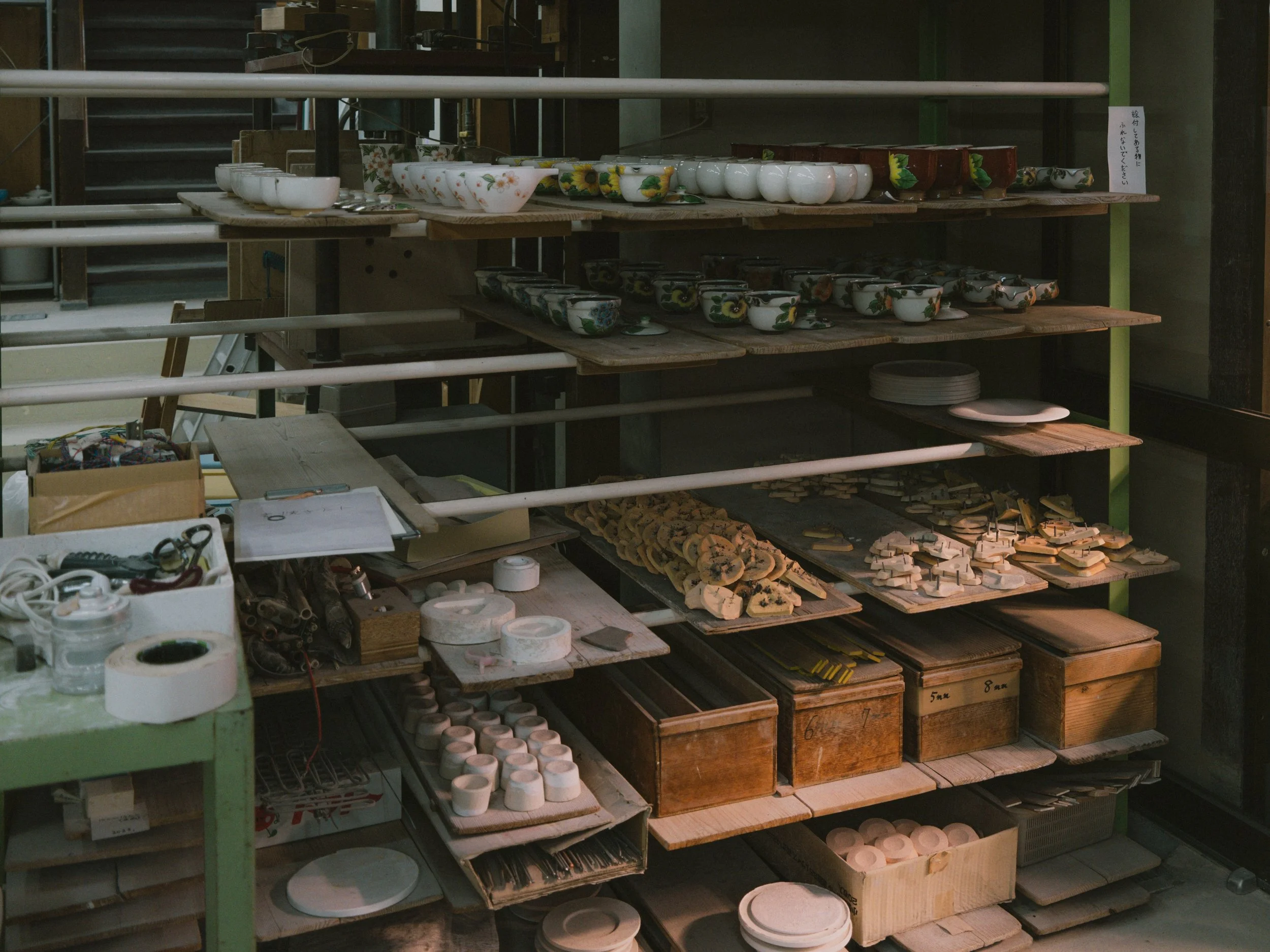
While traditional ceramics often involve adding designs after firing, Touan employs a distinctive method called "Shita-ezuke" (underglaze) before applying glaze, achieving both strength and vibrant colors through high-temperature firing. After establishing these techniques, Touan continued to excel in vivid color painting and ventured into developing new glazes, demonstrating adaptability to changing times.
Vessels as Art
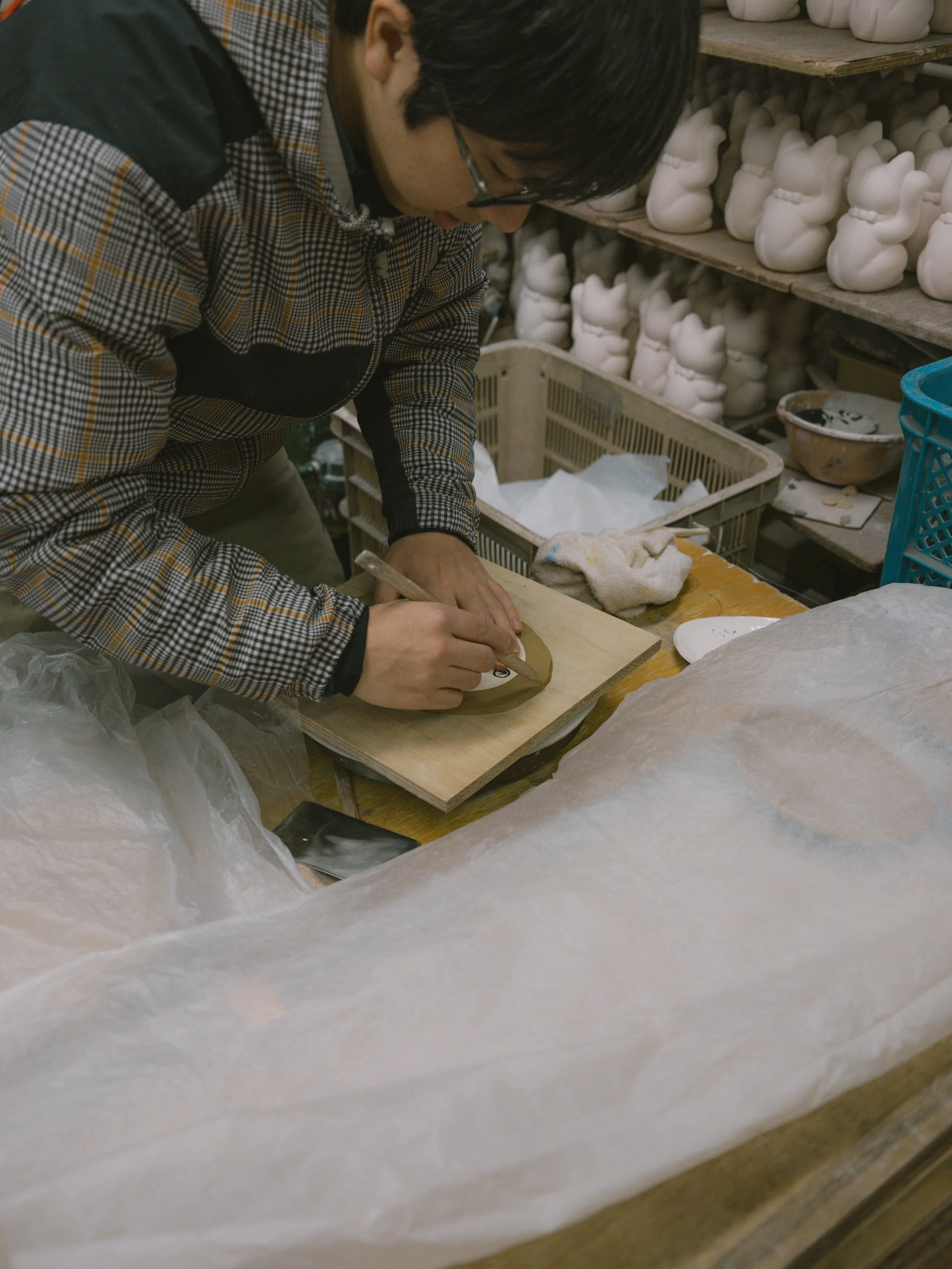
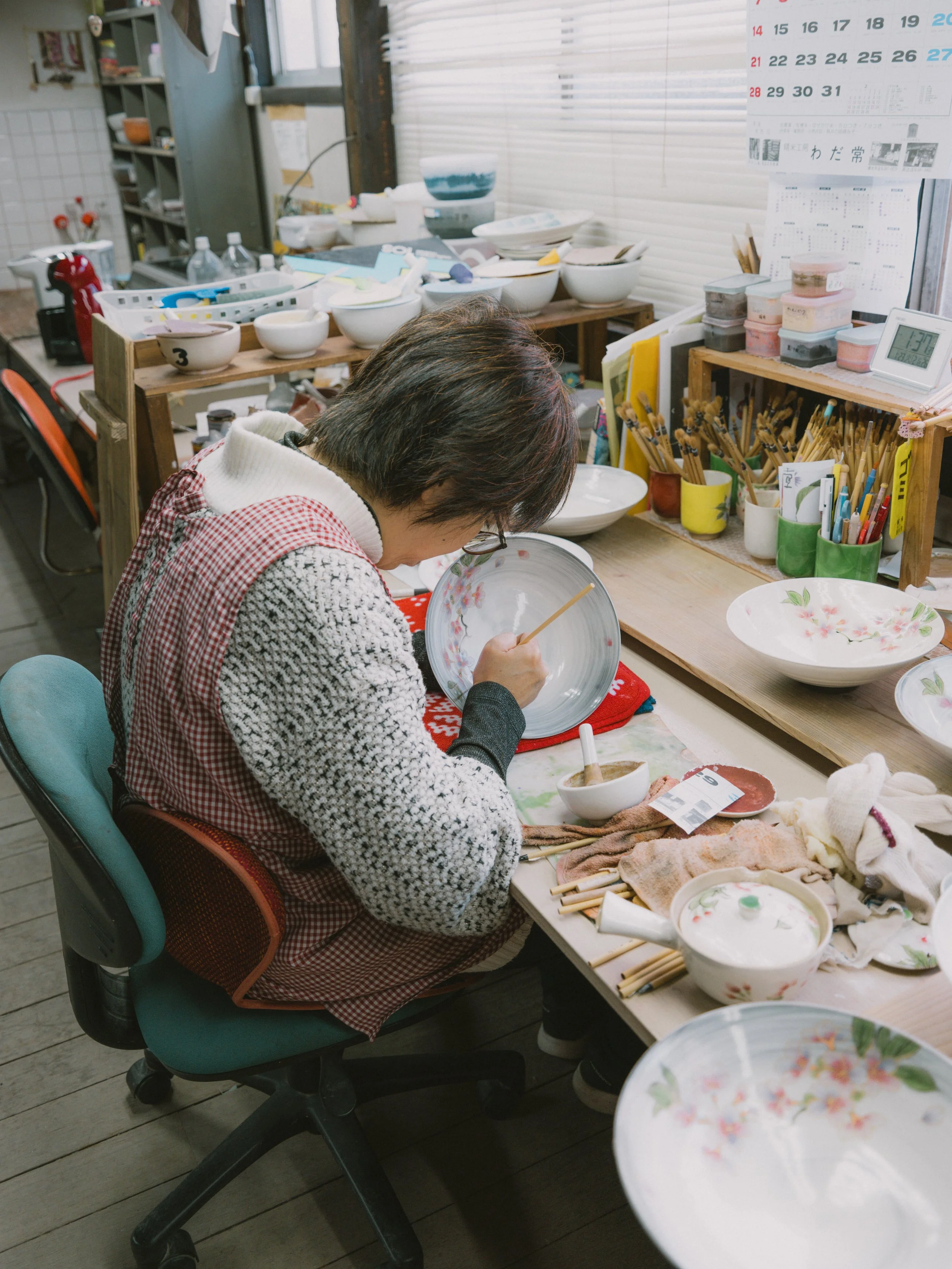
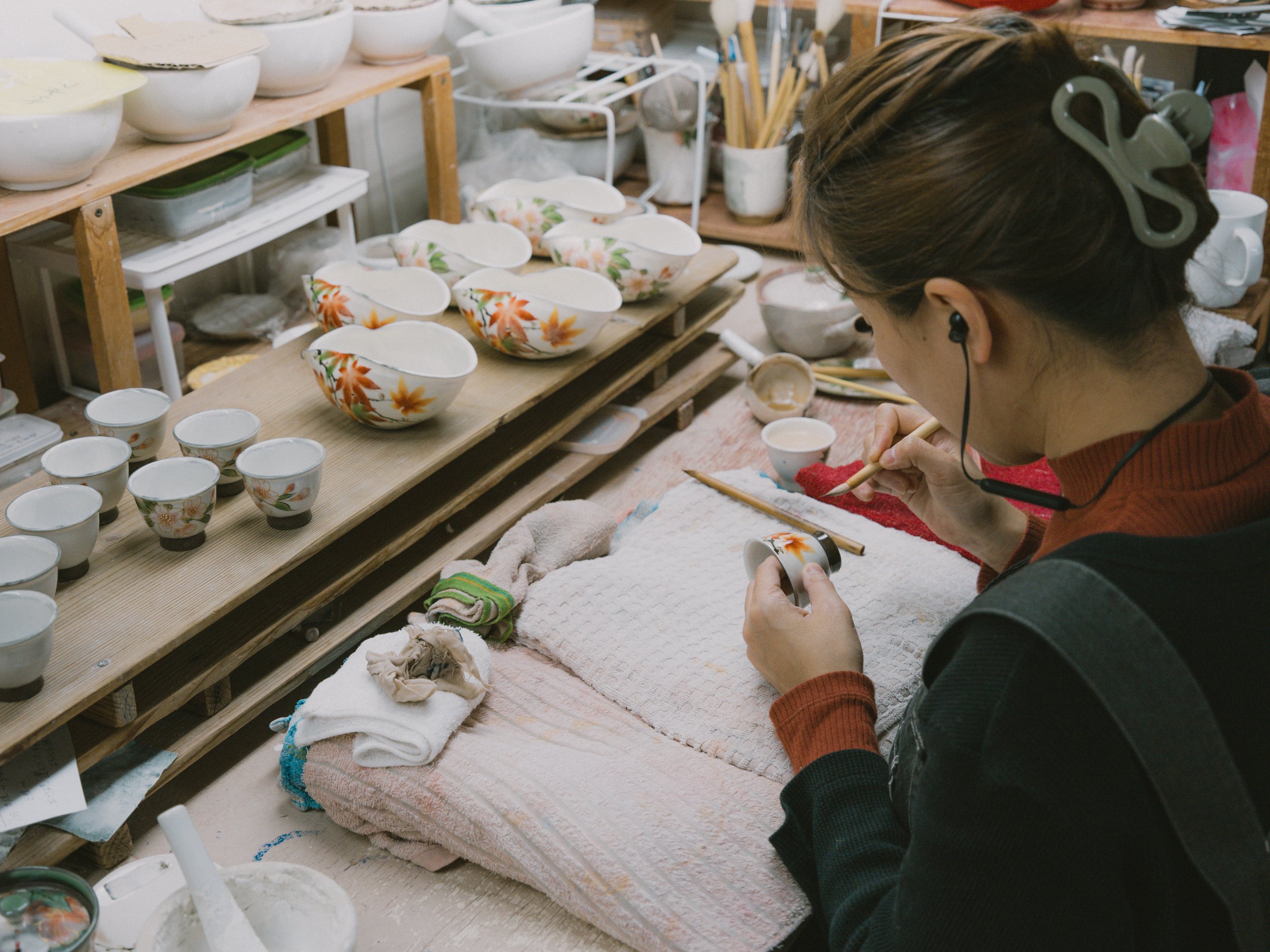
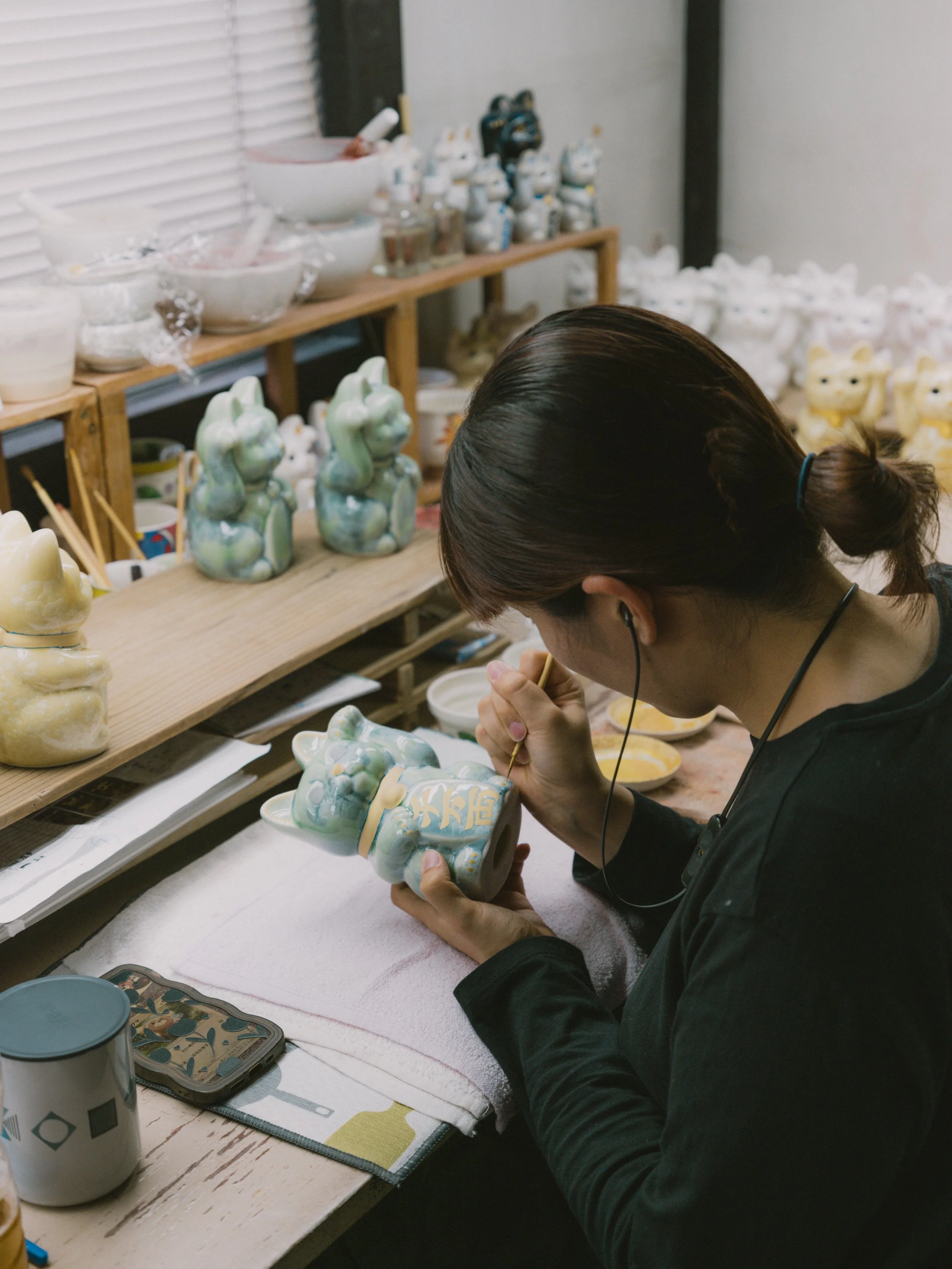
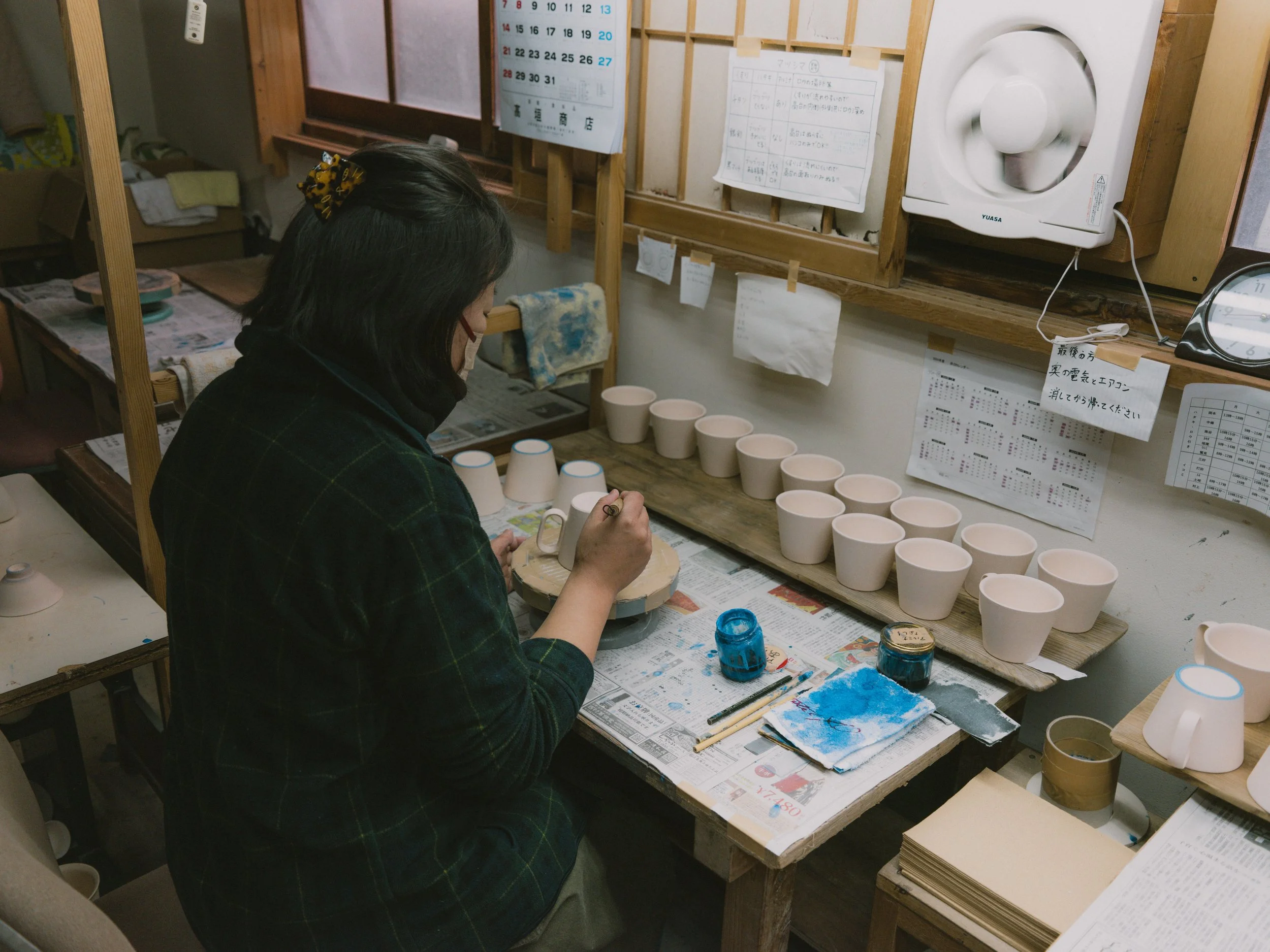
Hand-painted vessels with motifs inspired by flowers grace contemporary living spaces. Through multiple color application stages, Touan achieves natural gradients, showcasing the rich expressiveness supported by the artisans' delicate skills.
Invitation to Art: Touan's Open Studio Tours
Touan embraces tradition while providing an environment for anyone to easily explore the world of pottery by visiting its studio. This inclusive approach, coupled with a commitment to innovation, widens the gateway to art for tourists and the local community alike.
Studio tours offer a unique opportunity to engage with the artistry of handmade ceramics and feel the passion and skill of the artisans firsthand. Open to everyone, these tours provide a valuable experience for those seeking new interests.
Craftsmanship and Efficiency Harmony
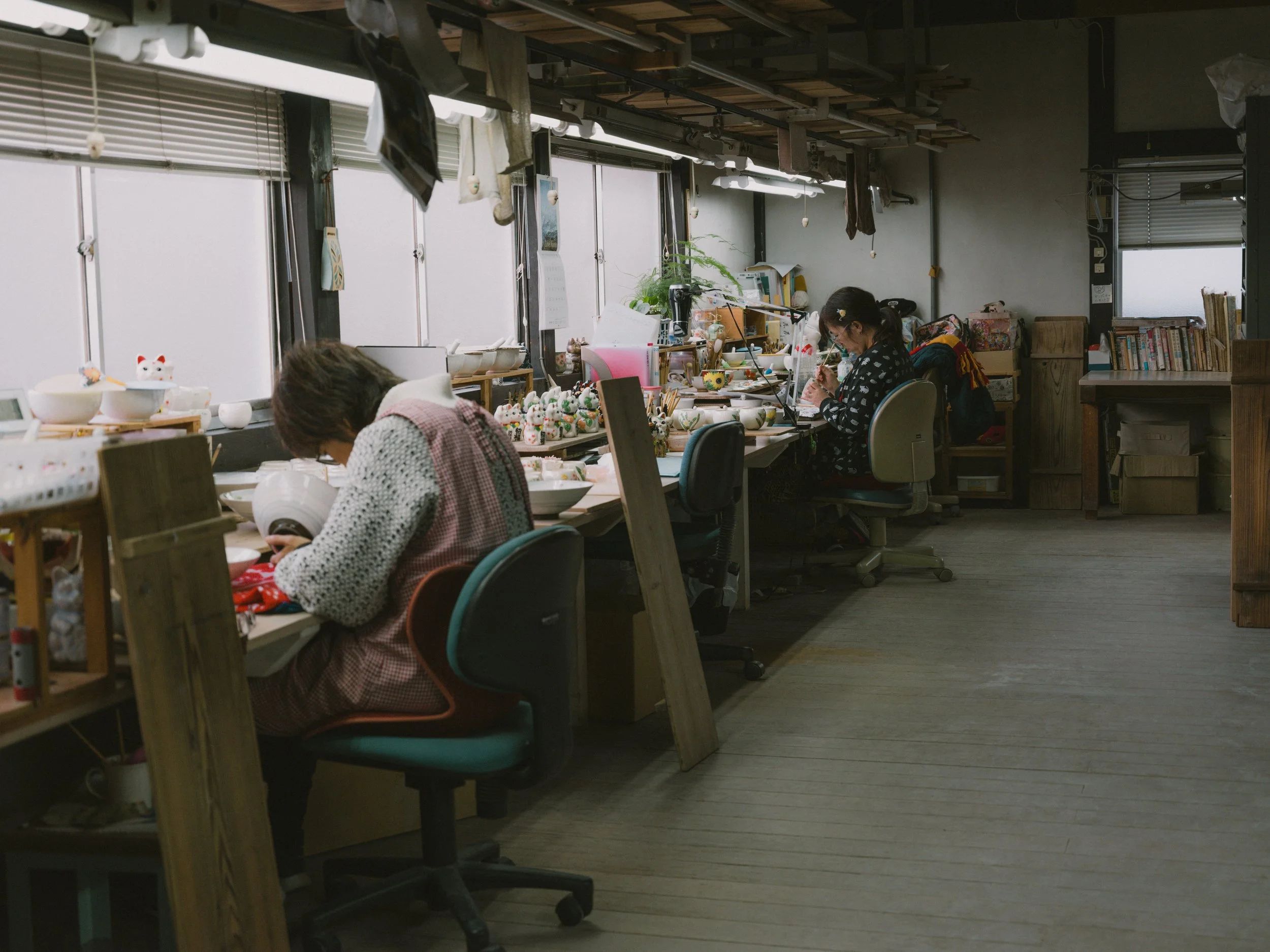
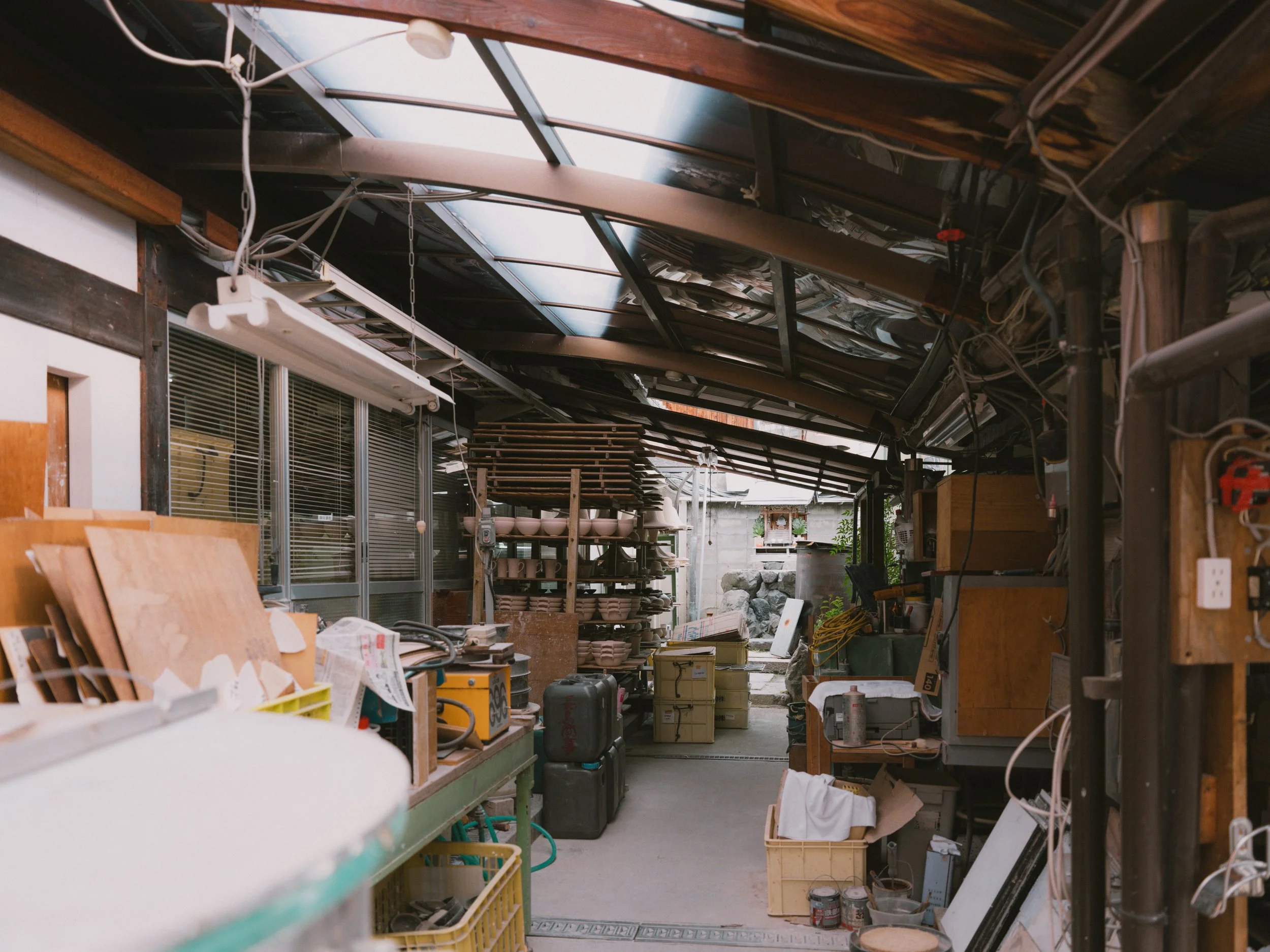
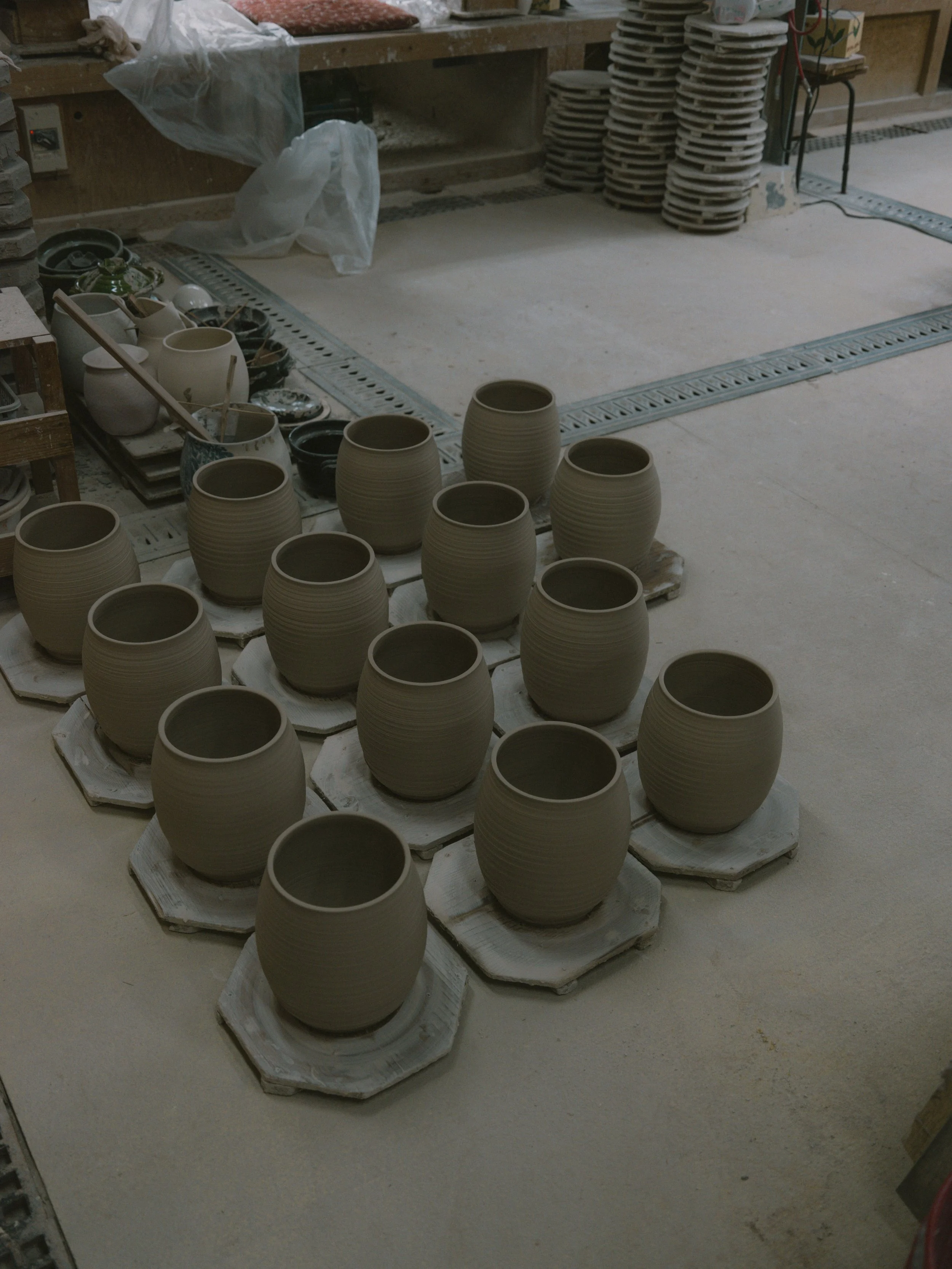
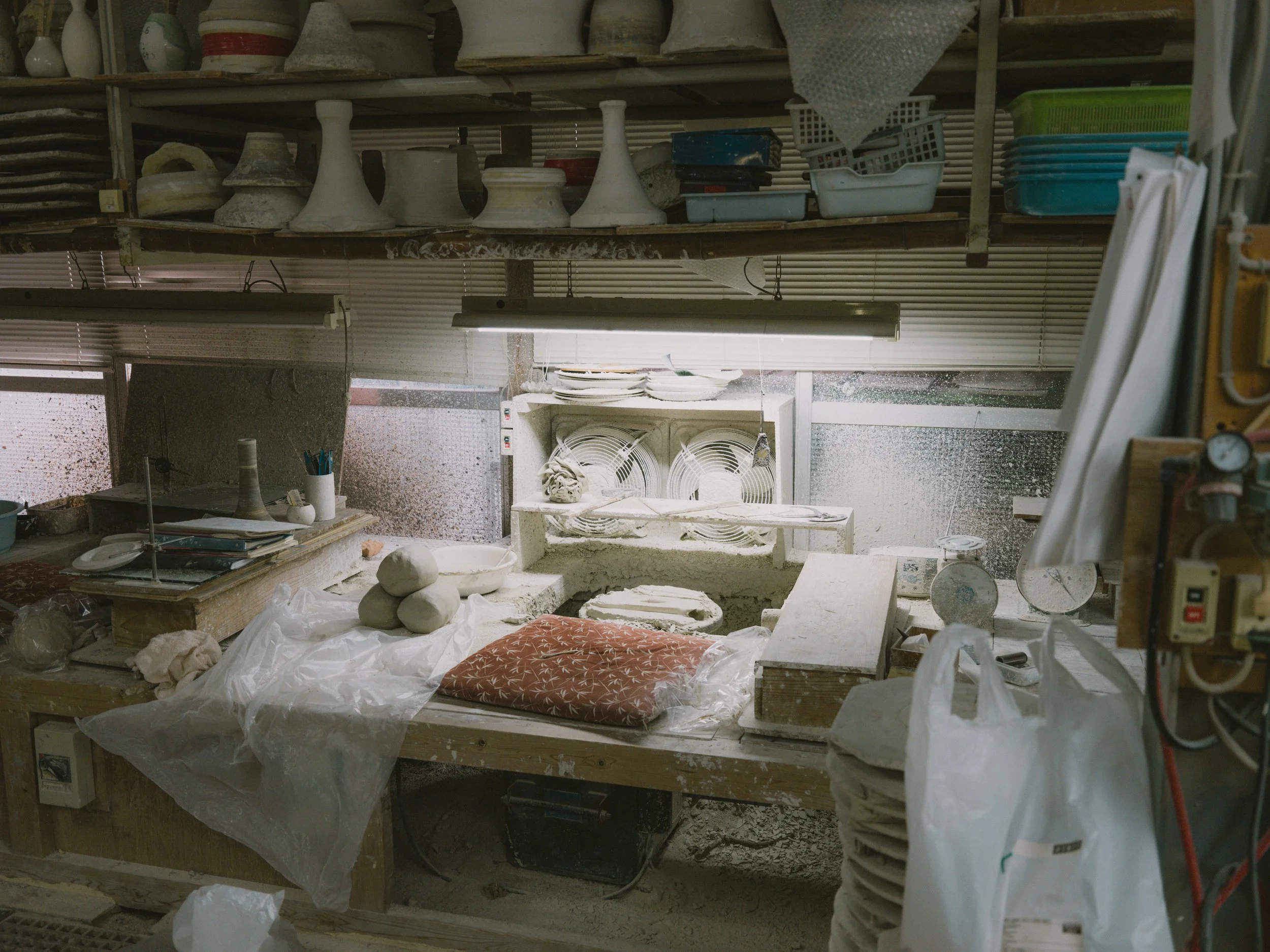
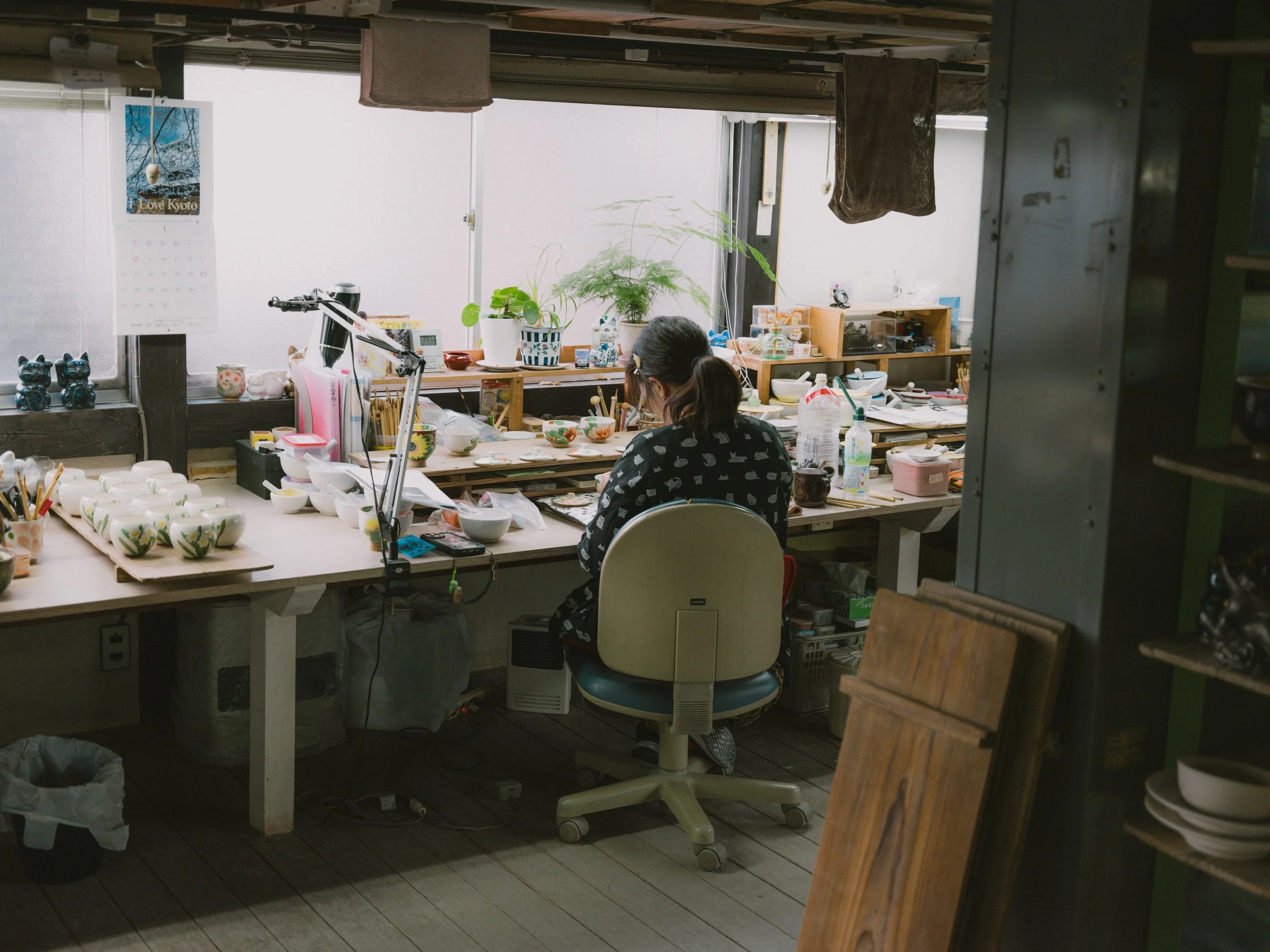
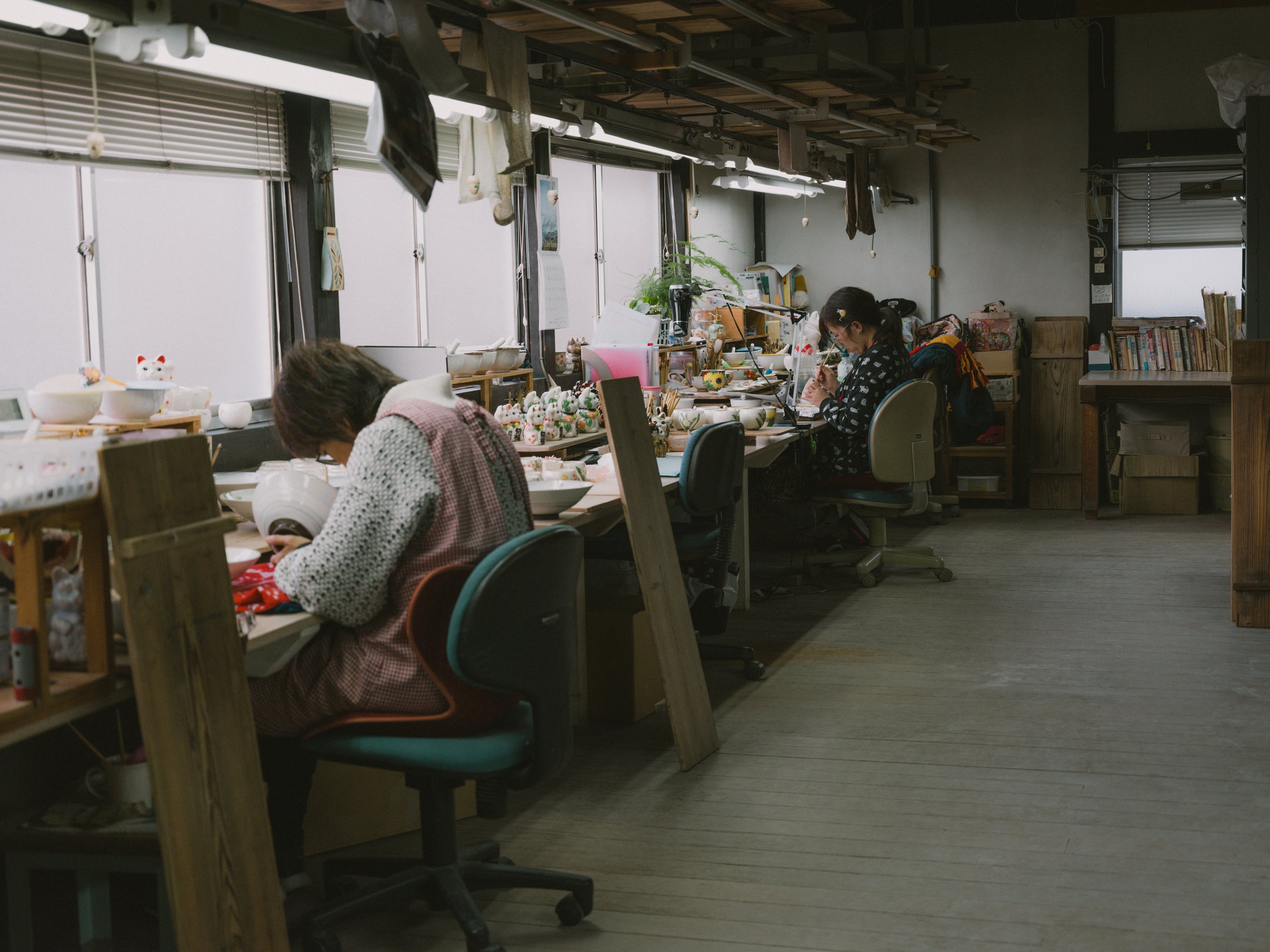
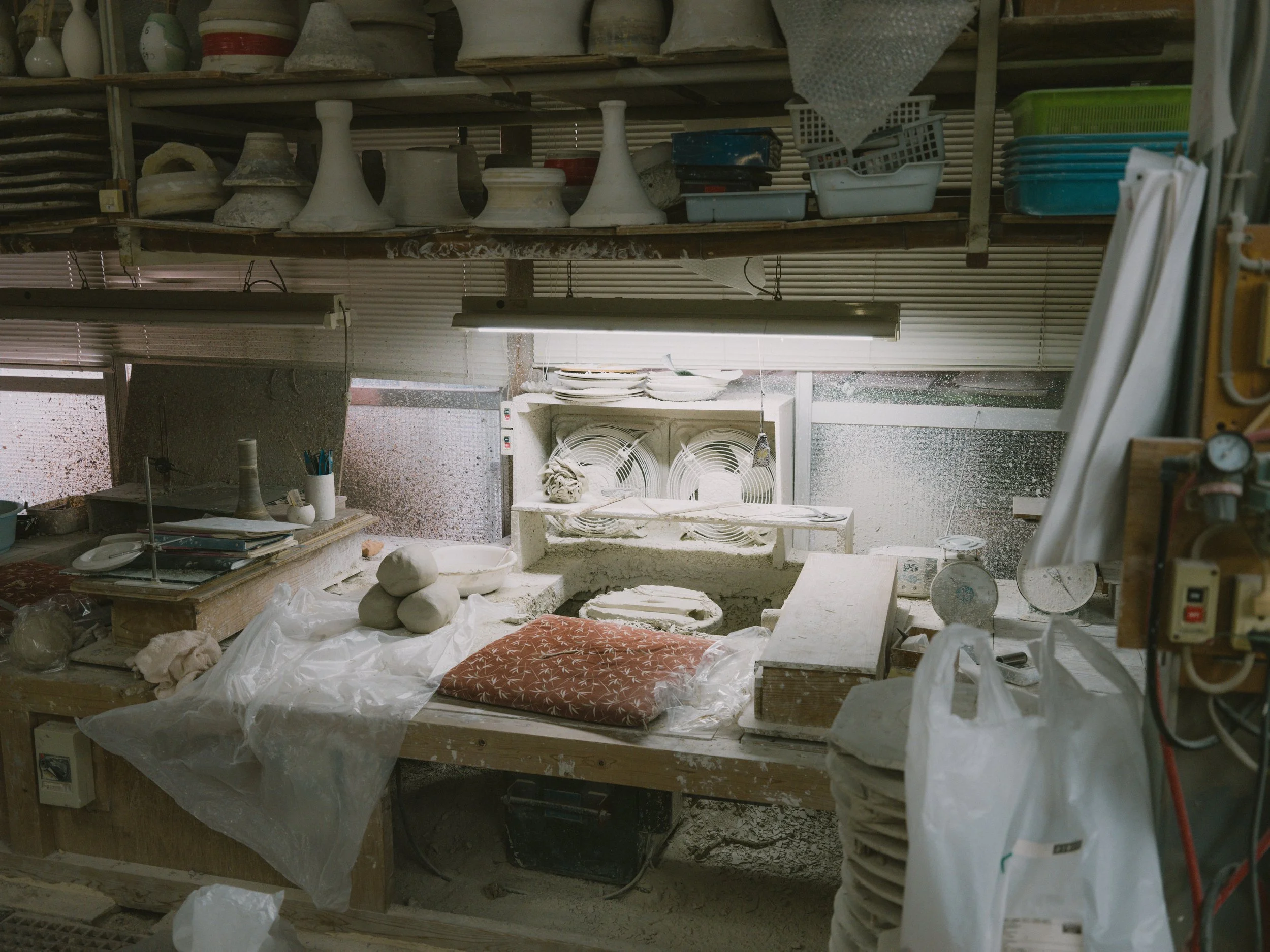
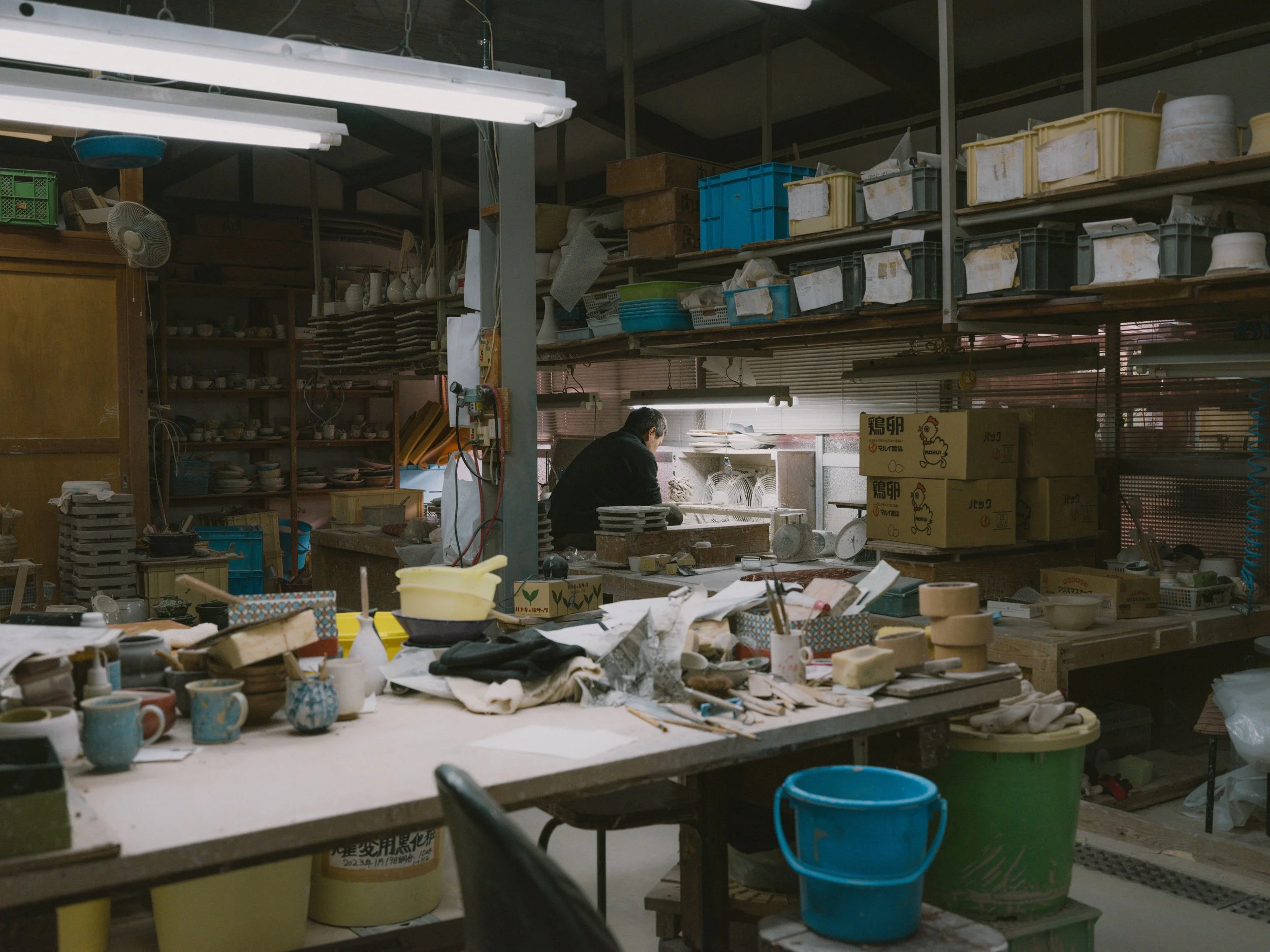
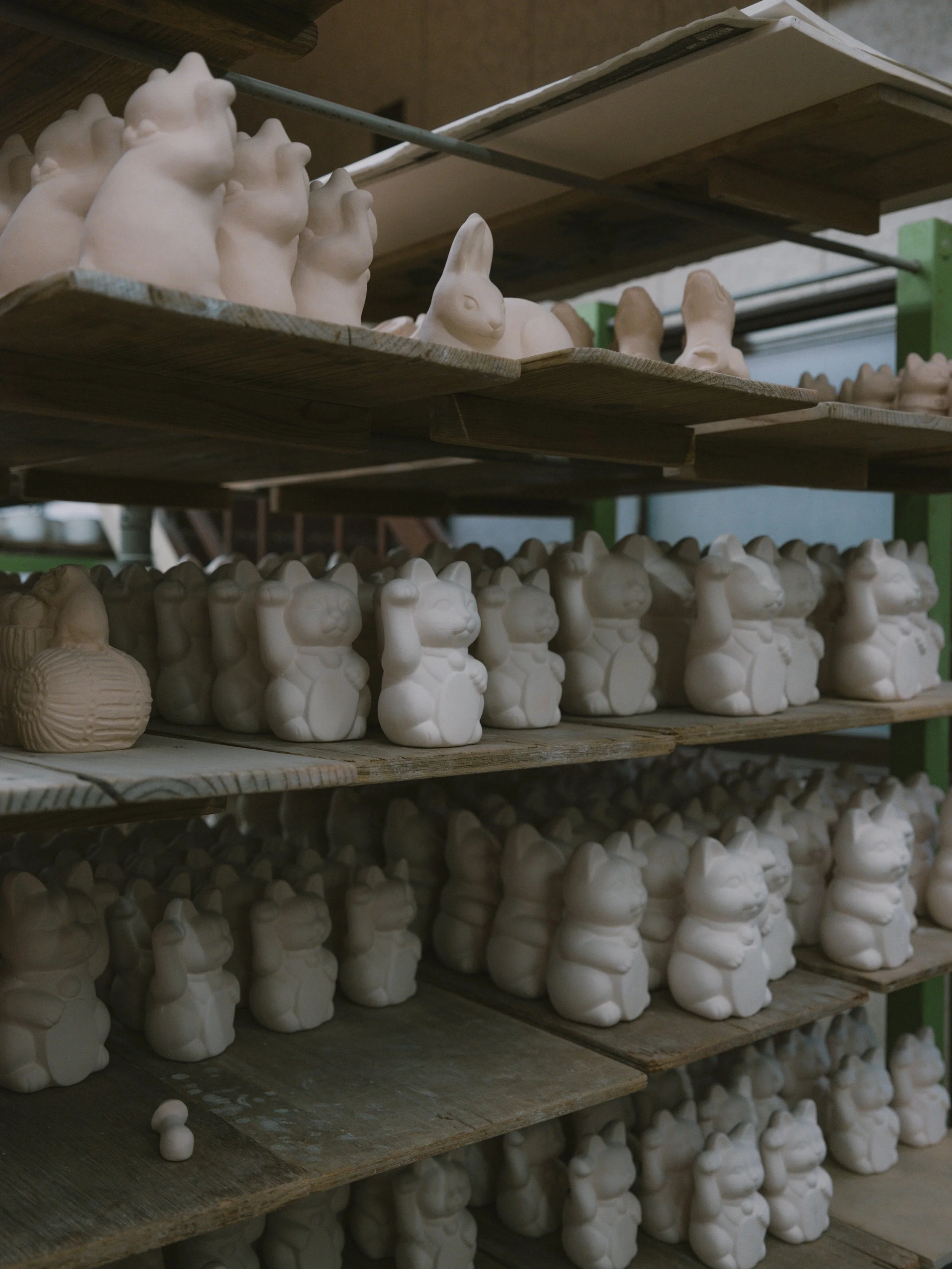
During my visit to Touan, I was struck by the efficient flow of the pottery-making process, entirely carried out by skilled hands. The seamless coordination of handcrafted processes reflects the mastery of the artisans and the collaborative efforts within the organization. The harmonious blend of tradition and efficiency truly encapsulates the pinnacle of artistic spirit and technical excellence.
陶芸の奥深き歴史と未来への挑戦
京都の東山泉涌寺に、大正11年に誕生した歴史ある窯元、陶葊。その本店で息づく、職人たちの手による芸術の奥深さを垣間見てきました。
ルーツと伝統の息吹
初代土渕俊雄は、伝統的な京瓦職人として名を馳せ、その作品は明治5年に創設された東京国立博物館の建物にも使われています。土渕家は、その後も陶彫の名手である二代目土渕這褘を輩出し、芸術の道を究めてきました。
三代目の土渕善英は、ドイツで彫刻を学び、釉薬の研究に没頭。清水焼の特徴である鮮やかな発色と強度を引き出すため、独自の技術を築き上げました。そして、四代目である土渕善亜貴が「花結晶」など多彩な結晶の形を生み出し、窯元の新しい時代を切り拓いています。
伝統と革新の融合
清水焼は通常、焼き上げた後に絵を付ける「上絵付け」が一般的ですが、陶葊は独自の手法である「下絵付け」を取り入れ、それに加えて高温で焼くことで、強度と美しさを同時に実現しています。技術の基礎を確立した陶葊は、その後も鮮やかな色絵付けによる作品や、新しい釉薬の開発に力を入れ、時代の変化に柔軟に対応しています。
アートとしての器
職人たちの手による手書き色絵付けが施された作品は、草花をモチーフにしたものが多く、現代の生活に潤いをもたらします。数回にわたる色絵付け工程を経て、自然なグラデーションと華やかさを追求しています。陶葊の器は、その豊かな表現力と、職人たちの繊細な技術に裏打ちされています。
陶葊の開かれた工房見学
陶葊は、京焼・清水焼の伝統を重んじつつ、いつでも気軽に工房を訪れて陶器の魅力に触れることができる環境を提供しています。この開かれた姿勢は、新しい時代への挑戦とともに、観光客や地元のコミュニティに向けたアートの門戸を広げています。
工房見学は、手仕事の芸術に触れ、職人たちの技術と情熱を直に感じる絶好の機会です。誰でも気軽に参加でき、新たな興味を抱く人々にとって貴重な経験となっています。
職人の魂と効率の調和
私が陶葊を見学して感じたのは、陶器が出来上がるまでが効率よく流れ作業になっていることに感動しました。作業はすべて手仕事で行われ、それでいて効率的に進行している様子は、職人たちの熟練度と組織の協力の賜物のようでした。伝統と効率が見事に調和したその様子は、まさに芸術の魂と技術の高みを感じさせます。
Address
京都府京都市東山区泉涌寺東林町38
